This page brings together practical, experience‑led insights on programme delivery,
PMO leadership, cyber security, cloud transformation and organisational change —
drawn from real challenges and real delivery environments.
Written by Tim Williams
I’m Tim Williams, a senior IT programme leader with 25+ years delivering complex
transformation across cyber, cloud, modern workplace and PMO environments. Every
article here is written from hands‑on experience — not theory.
Featured Articles
By Tim Williams
Selected perspectives that reflect my approach to leadership,
transformation and predictable delivery.
These articles reflect my practical, experience‑led approach to leadership, transformation and predictable delivery.
PMO Leadership
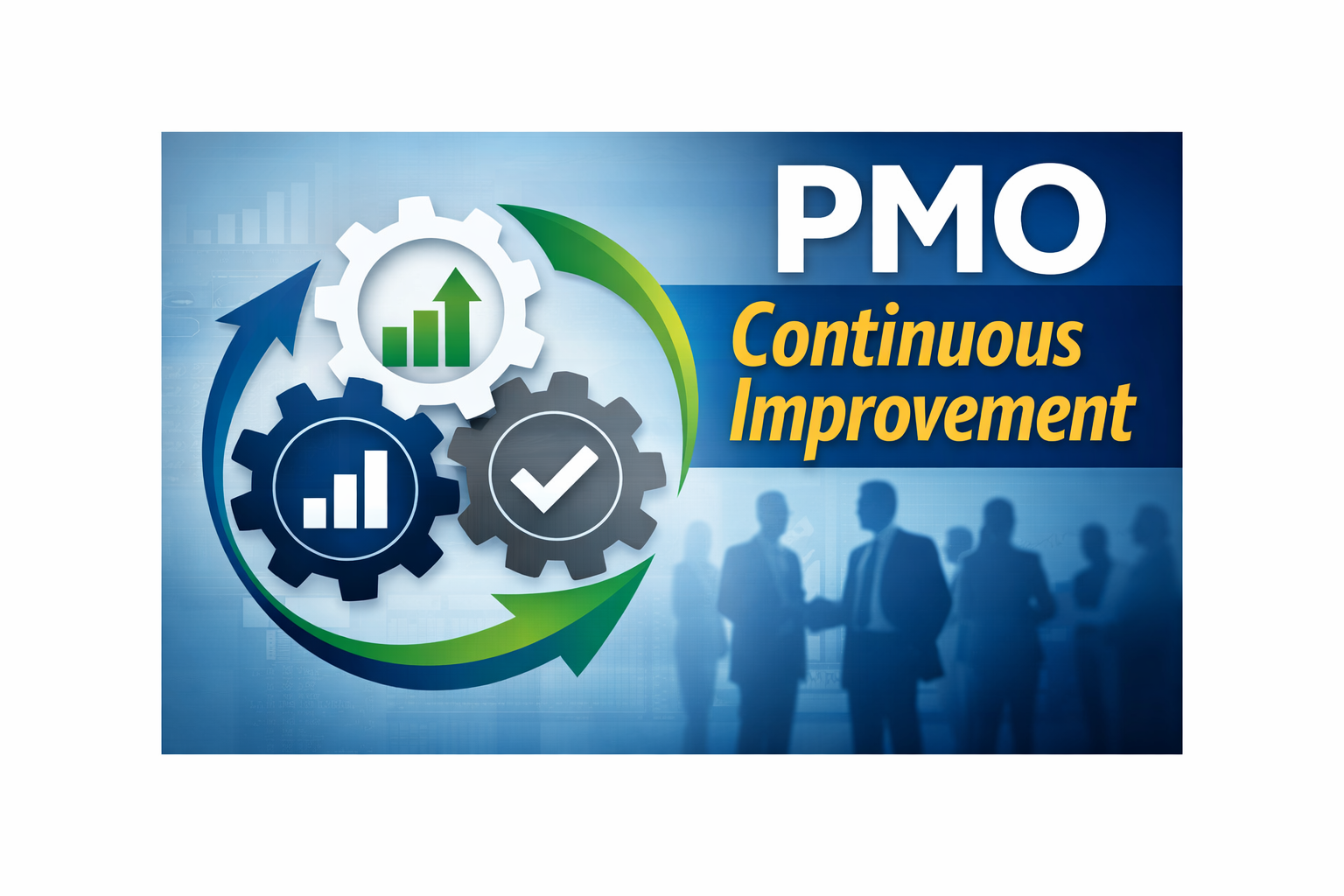
Why Continuous Improvement Is the Engine of a Modern PMO
A PMO that doesn’t evolve becomes irrelevant.
Continuous improvement transforms the PMO from a reporting
function into a strategic, value-driven capability that
adapts to change, strengthens delivery performance and
builds organisational trust.
Modern PMOs face pressures from rapid innovation
cycles, shifting priorities, rising customer
expectations and distributed teams. Continuous
improvement provides the discipline and structure
to respond predictably.
The CI cycle —
Assess → Improve → Measure → Embed —
strengthens PMO capability by:
Improving strategic value delivery
Increasing stakeholder confidence
Ensuring scalable, consistent processes
Driving data-led decision making
Building cultural maturity and delivery excellence
In short: continuous improvement is not optional.
It is the engine of PMO relevance, maturity and
long-term success.
PMO Strategy
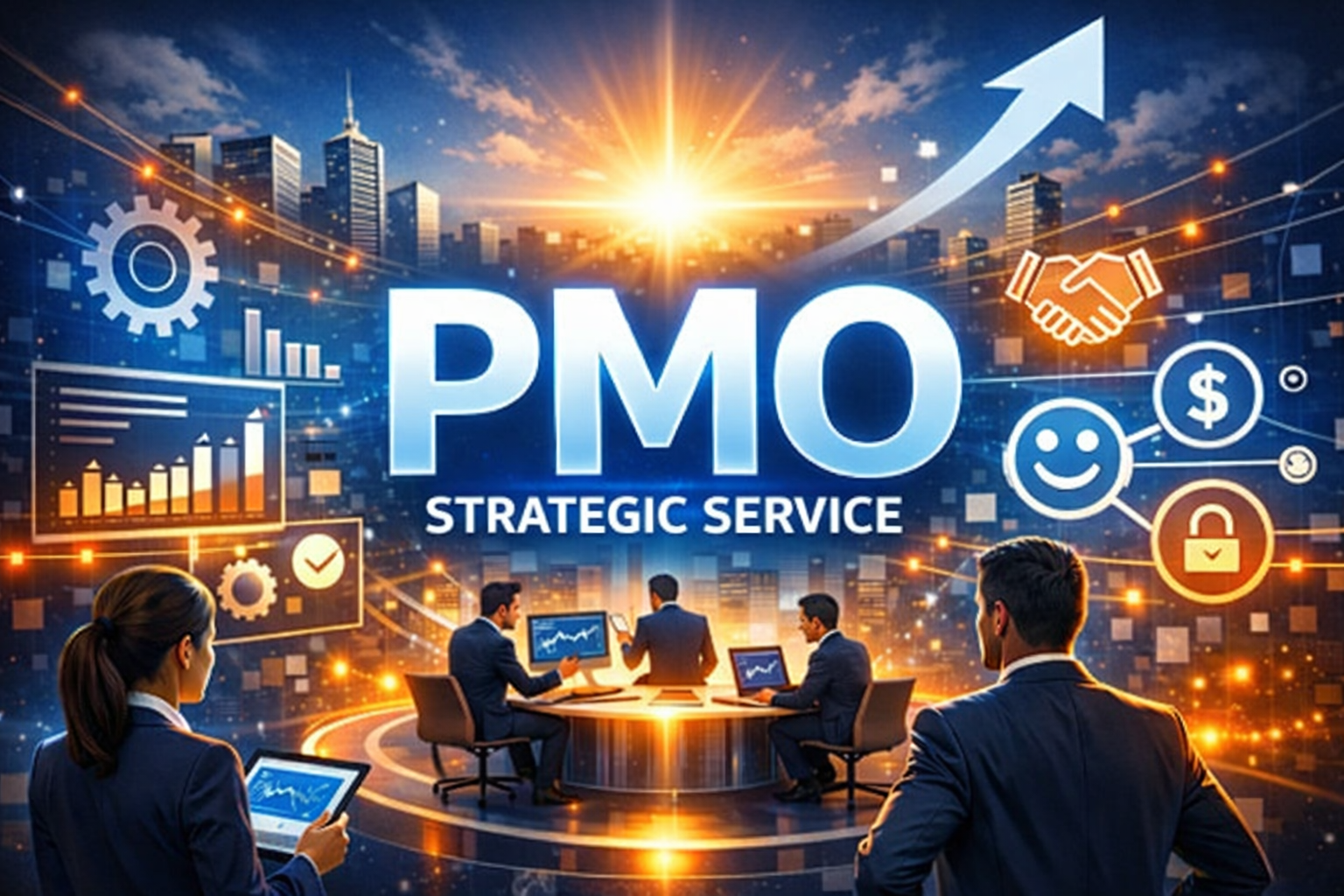
Why a PMO Is Far More Than a Reporting Line
A PMO isn’t a spreadsheet or a dashboard.
It is a strategic service that enables delivery,
protects commercial performance and drives organisational maturity.
A great PMO doesn’t just track projects;
it enables capability. It measures outcomes,
manages dependencies and ensures change lands
safely into BAU.
If your PMO isn’t driving measurable improvement,
it’s time to rethink its purpose — not as a
back-office function, but as a service that
underpins organisational success.
AI & Leadership
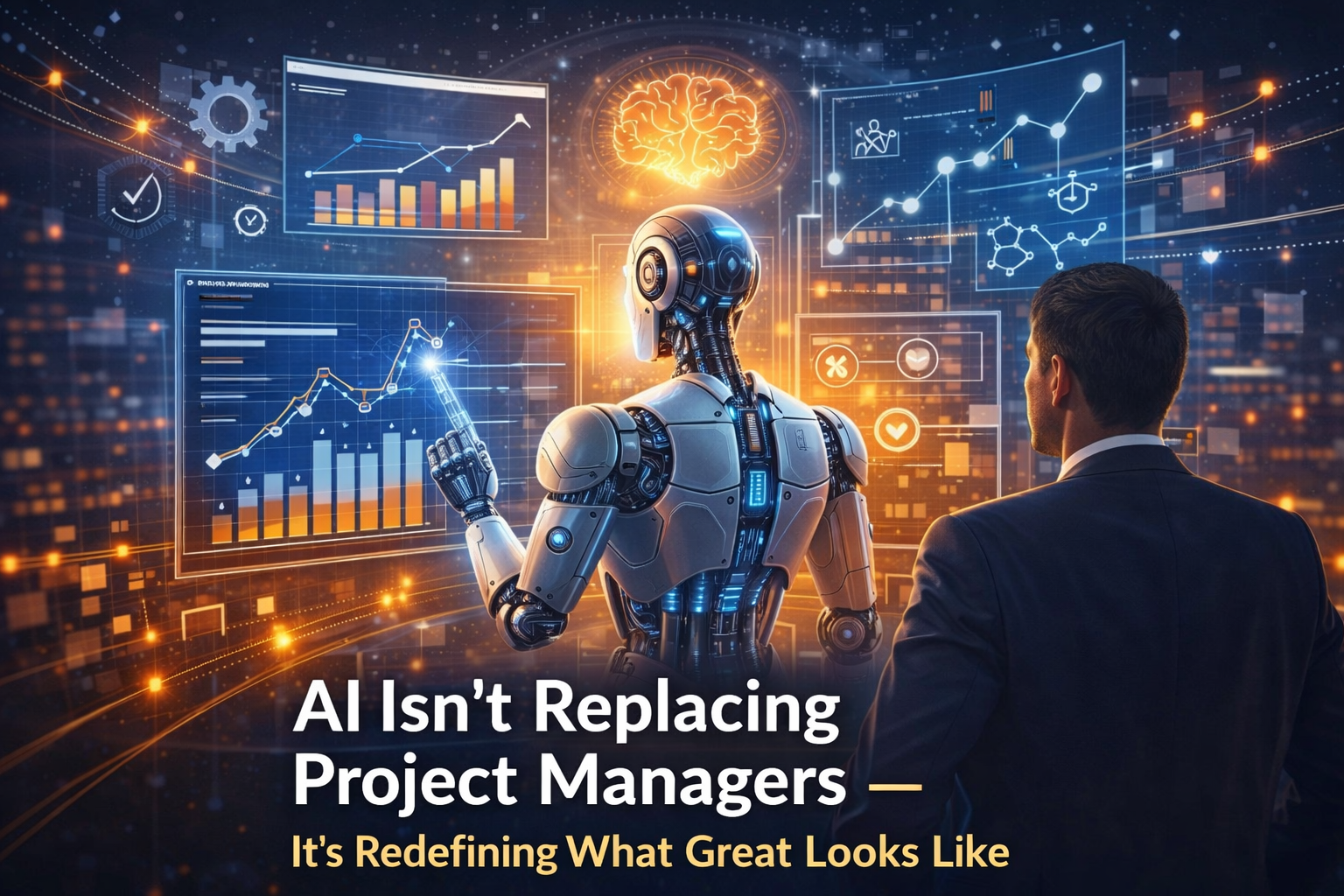
AI Isn’t Replacing Project Managers —
It’s Redefining What Great Looks Like
AI is becoming a strategic partner for modern PMs —
accelerating clarity, improving prediction and freeing
leaders to focus on strategy and delivery excellence.
Over the past year, I’ve seen a clear shift:
AI isn’t just another tool in the PM toolkit.
1. Clarity at Speed
AI can analyse complex project data in seconds.
2. Predictive Insight
Instead of waiting for issues to surface,
AI can help identify emerging patterns earlier.
3. Stronger Stakeholder Engagement
From summarising meetings to generating tailored
updates, AI can strengthen communication.
4. More Time for Leadership
When AI handles repetitive tasks, project leaders
can focus more heavily on strategy, coaching and
decision-making.
AI won’t replace project managers.
But project managers who embrace AI will
absolutely outperform those who don’t.
Leadership & Programme Delivery
By Tim Williams
Practical lessons from leading complex IT programmes,
recovering underperforming delivery environments and
building high-performing teams.
Programme Delivery
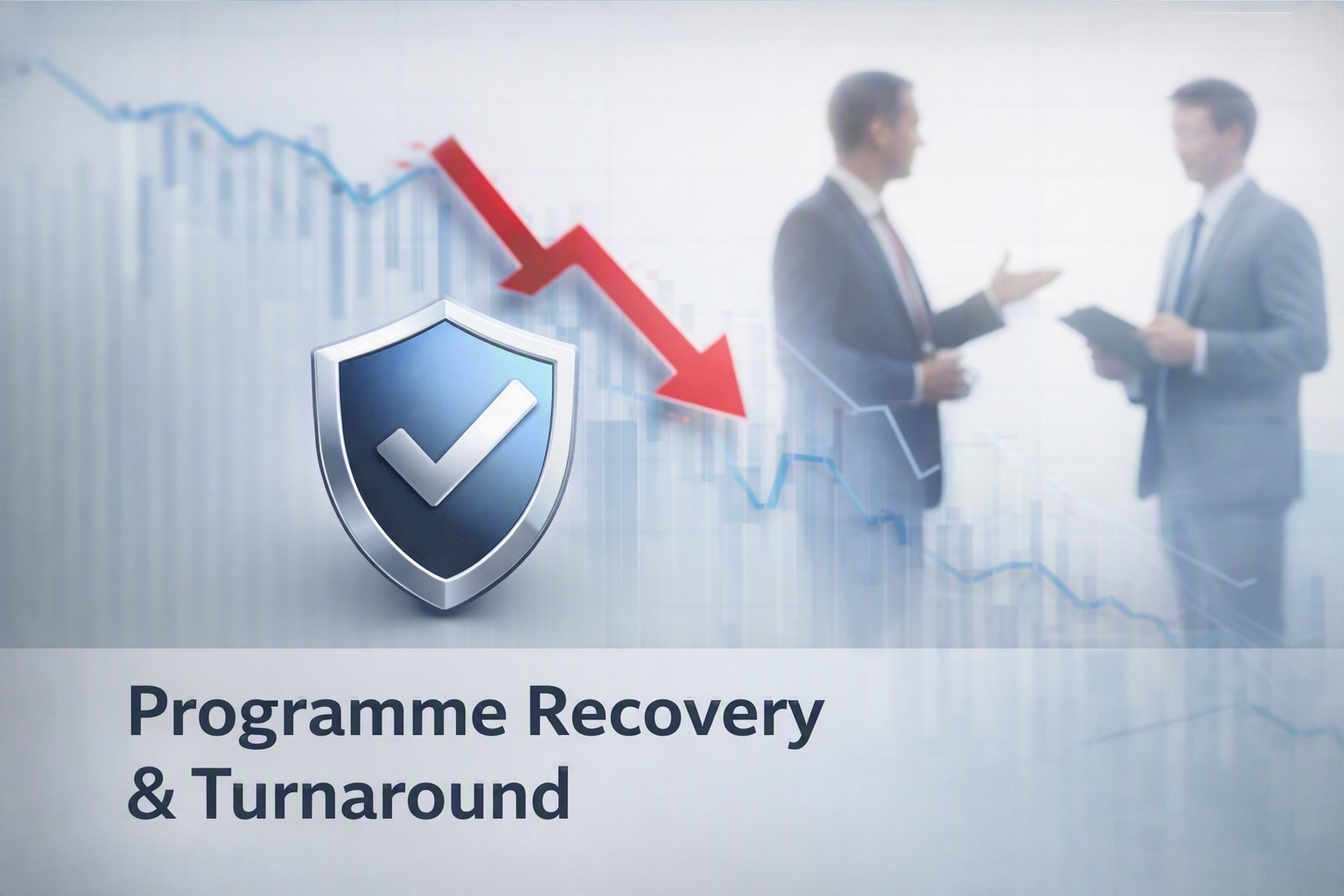
Programme Recovery & Turnaround
Rapid stabilisation, decisive leadership and a structured recovery
approach that restores confidence, governance and predictable delivery.
Programmes rarely fail because of one issue — they drift due to
misalignment, unclear ownership, weak governance or delivery
momentum quietly eroding. Recovery requires fast, structured
intervention.
Assessment & Diagnosis
A rapid, objective review of programme health, blockers,
governance gaps, risk posture and stakeholder expectations.
Stabilisation & Control
Re‑establishing governance, RAID discipline, delivery cadence,
decision pathways and clear ownership to restore predictability.
Recovery Roadmap
A concise, actionable plan prioritising interventions that return
the programme to a stable, confident delivery state.
Leadership & Momentum
Hands‑on leadership that rebuilds trust, restores momentum and
ensures controlled, transparent execution.
Download
Leadership & Programme Delivery
Pre-Sales & Solution Shaping
A structured, commercially disciplined pre-sales approach that transforms
opportunities into validated, costed, risk-managed and contract-ready solutions.
I deliver the pre-sales process as a structured, commercially governed
workflow that blends bid leadership, technical solutioning, service design
and commercial rigour to ensure proposals are compelling, feasible and
profitable.
Responding to Bids & Tenders
Analysing RFPs/RFIs, clarifying scope, constraints and evaluation criteria,
shaping win themes and establishing the delivery model required to win.
Requirements Gathering & Discovery
Structured workshops, interviews and artefact reviews to extract functional,
technical, operational and commercial requirements, ensuring solutions are
grounded in real client needs.
Solution & Service Design
Designing end-to-end architecture, service models, SLAs/OLAs, operational
processes, tooling and security/compliance considerations.
Cost & Resource Modelling
Building detailed commercial models covering delivery effort, resource
utilisation, third-party costs, licensing, run-costs and margin targets.
CADRO Analysis
Identifying constraints, assumptions, dependencies, risks, opportunities
and limitations to protect commercial and delivery integrity.
Supplier Management, Procurement & Logistics
Coordinating supplier engagement, quotes, validation, commercial alignment
and logistics planning to ensure feasibility and timeline alignment.
Statement of Work & Legal Review
Producing contract-ready SoWs including scope, deliverables, acceptance
criteria, responsibilities, CADRO, commercials and governance, followed by
legal review for compliance and contractual alignment.
Technical Workshops & Business Case Management
Running deep-dive workshops, validating architecture and service models,
supporting operational readiness and shaping business cases for internal
approval.
BAFO, Pricing Models & Negotiation
Refining pricing models (fixed price, T&M, hybrid), delivery phasing,
risk positions and concessions, and leading negotiation sessions.
Client Presentation & Planning Workshops
Delivering executive-grade presentations covering solution value, roadmap,
commercials, risks and governance, and running mobilisation planning
workshops.
Revenue & Margin Management
Maintaining commercial discipline across revenue targets, retained margin,
cost control, risk mitigation and scope protection.
Download
Programme Governance & PMO Leadership
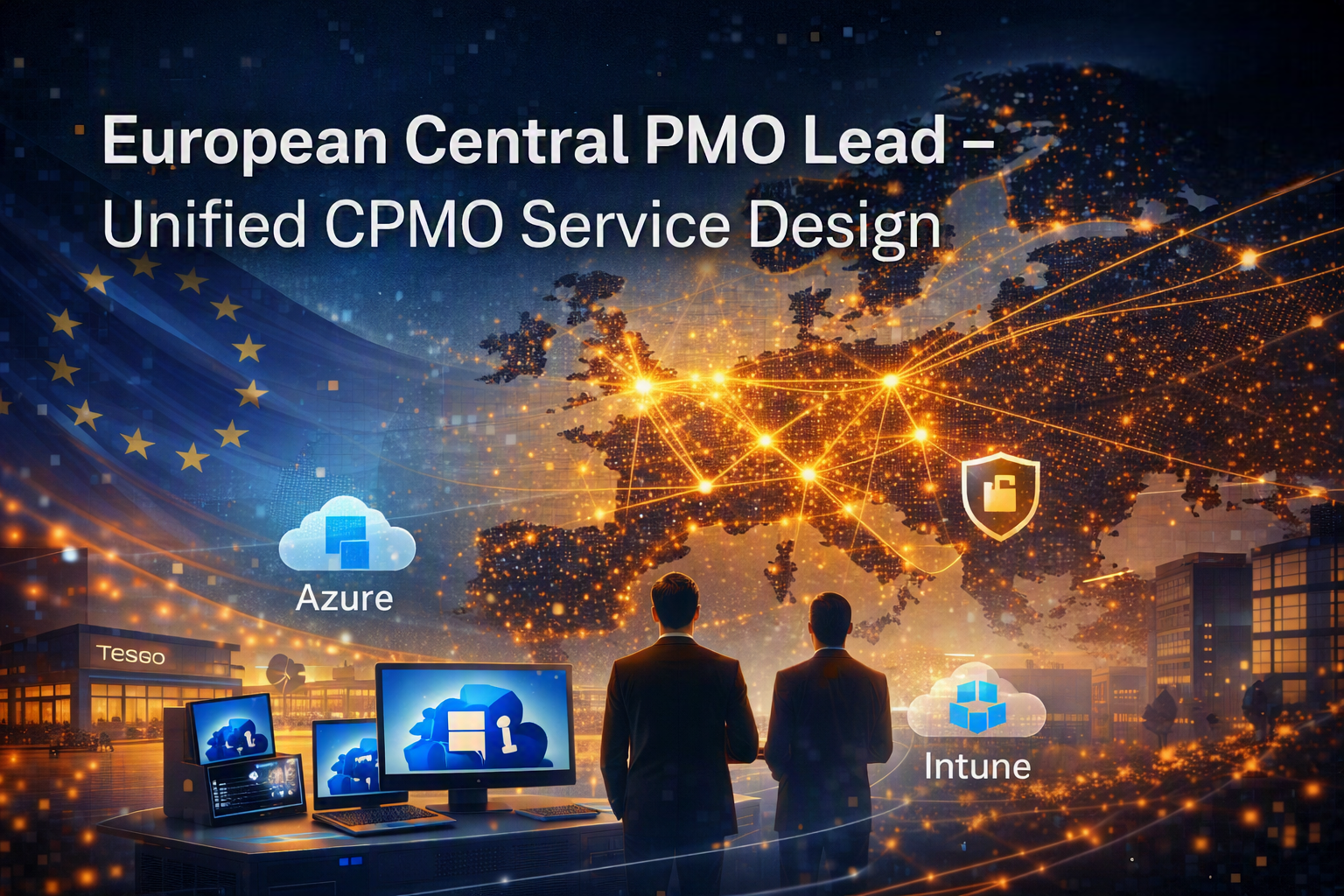
European Central PMO Lead – Unified CPMO Service Design
Designing and implementing a unified CPMO service model supporting multinational
European clients — embedding ISO, CMS and GDPR compliance, governance frameworks,
commercial modelling and capability development across diverse jurisdictions.
As European Central PMO Lead, I established a unified CPMO service based out of
Belgium, standardising governance, assurance and delivery processes across
European operations. The CPMO was designed to be secure, compliant, scalable
and aligned with ISO, CMS and GDPR requirements.
Programme Overview
The initiative created a single PMO framework capable of supporting multinational
clients while maintaining compliance with international standards and local
regulatory obligations. It delivered consistent governance, reporting and delivery
assurance across all European territories.
Service Design & Compliance
Embedded ISO and CMS quality standards, GDPR privacy‑by‑design principles,
secure client data handling, and measurable SLAs/OLAs — forming a robust,
auditable PMO operating model.
Commercial Modelling & Benefit Realisation
Developed scalable cost models, ROI frameworks and commercial validation
processes to support multi‑country PMO service proposals and ensure operational
sustainability.
Competency & Capability Development
Introduced the APM Competency Maturity Assessment Framework, creating CPD‑aligned
training pathways, competency mapping, development materials and a structured
people development framework.
Governance, Assurance & Delivery Frameworks
Designed governance and assurance frameworks, delivery toolkits, initiation
processes, reporting structures and integration with HR onboarding — ensuring
consistent delivery quality across all projects.
Recruitment & Organisational Setup
Managed recruitment strategy, HR coordination, legal compliance (including German
Workers Council requirements), onboarding and induction processes to establish a
compliant, high‑performance PMO team.
Project Management Platform Ownership
Acted as Service Owner for the PM platform — overseeing assessment, procurement,
vendor negotiation, test build, implementation and integration with CPMO
governance processes.
Transition & Handover
Delivered operational handover to AIS France, including documentation, knowledge
transfer sessions and governance sign‑off to ensure continuity of service.
Strategic Impact
The CPMO initiative delivered a unified, compliant and scalable PMO service that
strengthened European delivery capability, improved governance maturity and
established a foundation for continuous improvement across the PMO community.
Download
Programme Leadership
5 Lessons from Leading Complex IT Programmes
Five principles that consistently separate predictable
delivery from avoidable drift.
Over the last few years, I’ve led complex IT
programmes across cyber, IAM, cloud and large-scale
transformation.
Stakeholder alignment isn’t a meeting — it’s a discipline
Risks don’t disappear because they’re uncomfortable
Governance only works when it accelerates, not slows
Delivery teams thrive when ambiguity is reduced early
Communication is the real programme currency
PMO & Delivery
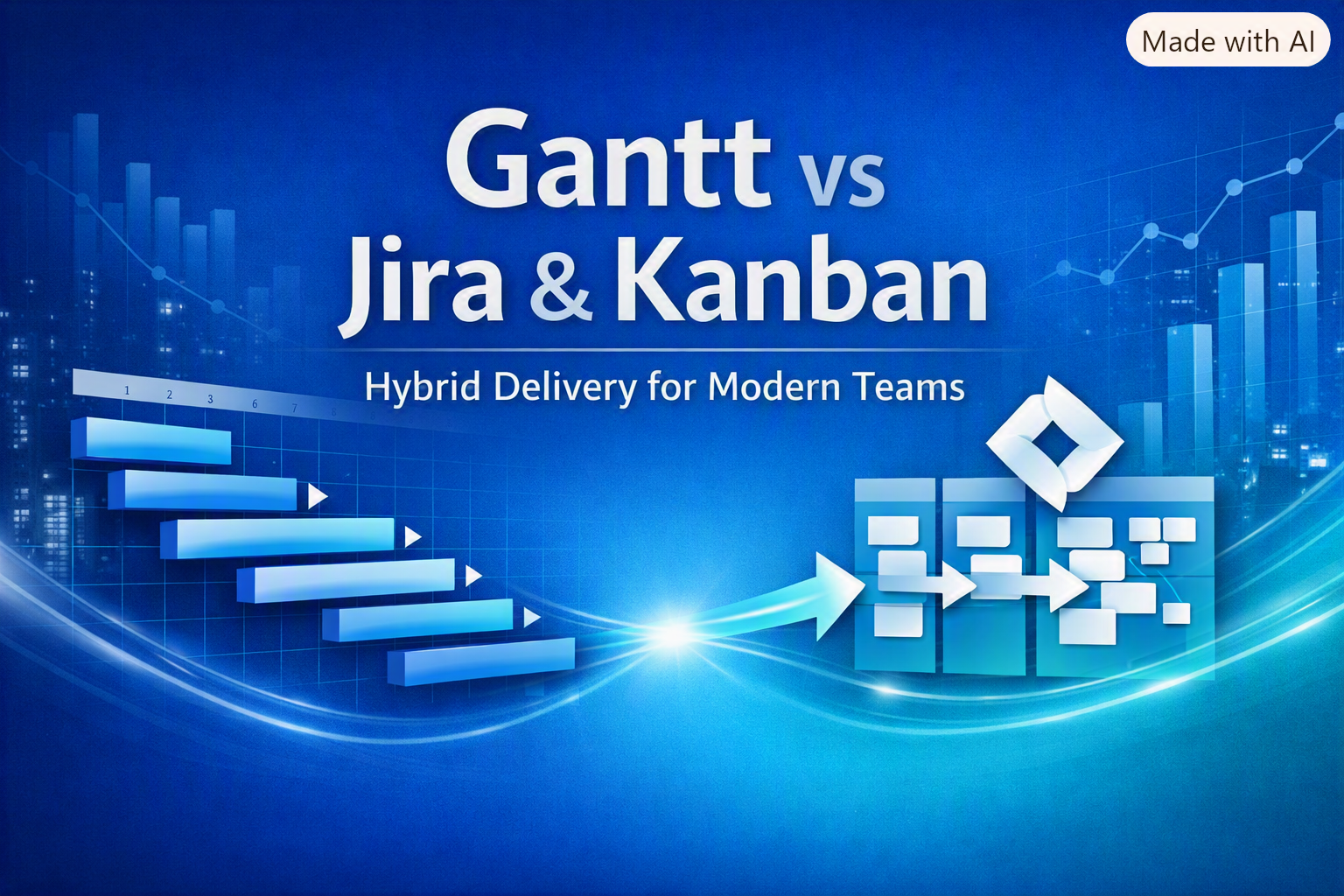
Gantt vs Jira & Kanban — Why Modern Delivery Needs Both
Traditional planning gives structure and predictability.
Agile tools like Jira and Kanban bring adaptability and flow.
The strongest delivery teams blend both to create alignment,
momentum and predictable outcomes.
Modern delivery environments move too fast for single‑method thinking.
Gantt charts provide clarity, sequencing and stakeholder confidence.
Kanban and Jira enable continuous flow, rapid reprioritisation and transparency.
Teams outperform when they plan strategically and deliver iteratively
Full Summary
The evolution of project planning isn’t about replacing traditional methods —
it’s about integrating them. Gantt charts remain essential for strategic planning,
sequencing and stakeholder assurance. Kanban and Jira excel at operational delivery,
enabling teams to adapt quickly, surface risks earlier and maintain momentum.
The most effective project managers don’t choose one method.
They blend structure with flow to create predictable, adaptable delivery.
PMO Leadership
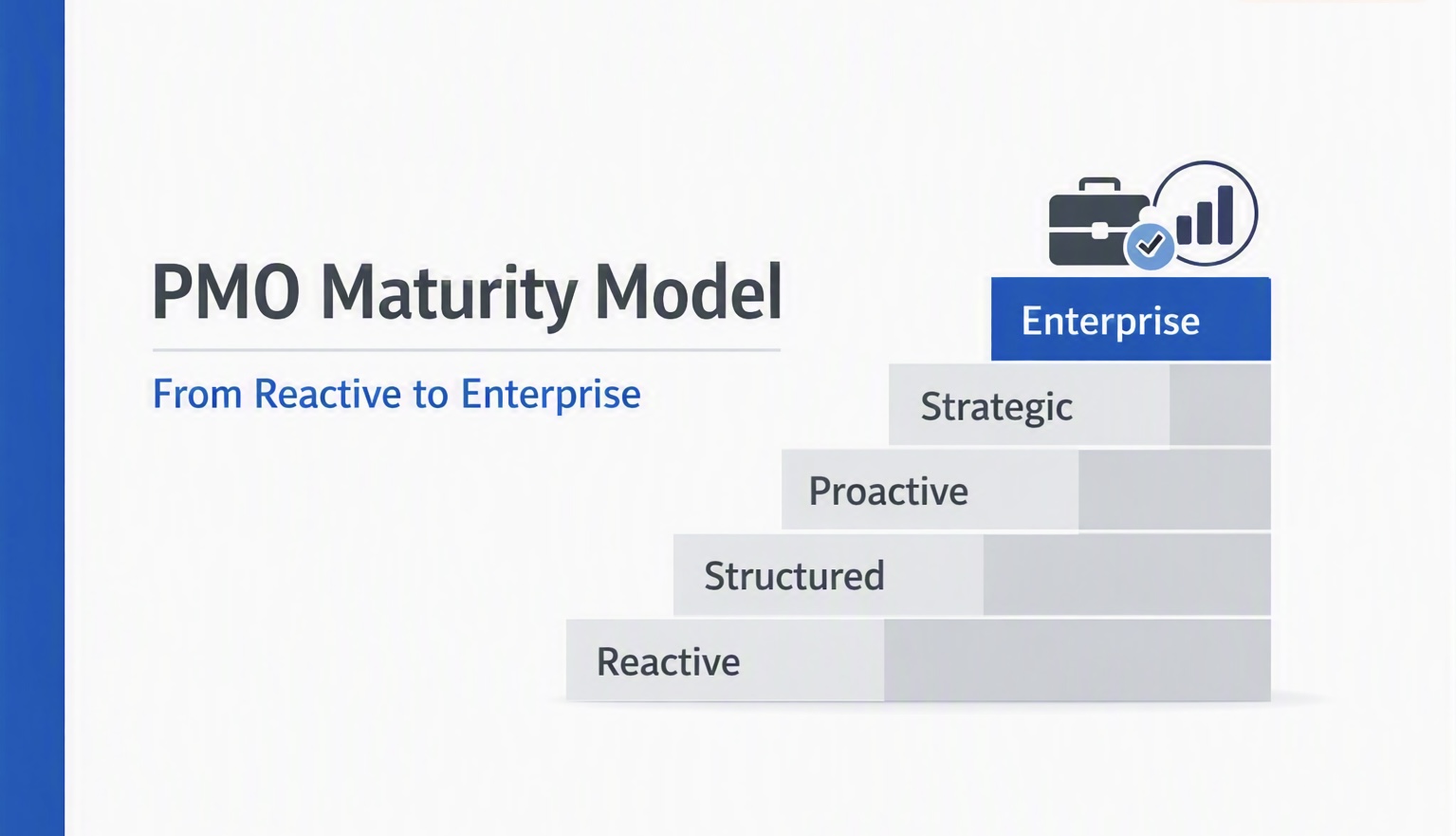
PMO Maturity Model: From Reactive to Enterprise
A clear, structured maturity model showing how PMOs evolve from reactive reporting
functions into strategic, enterprise-level leadership engines that shape how organisations
deliver change.
The PMO maturity journey moves through five stages — Reactive, Structured, Proactive,
Strategic and Enterprise. Each level strengthens governance, delivery predictability,
decision-making and organisational alignment.
Highlights from the model:
Reactive PMO — reporting only, firefighting, no governance
Structured PMO — templates, cadence, early standardisation
Cyber uplift rarely fails because of technology. It fails because organisations
underestimate the governance, ownership and cultural change required to sustain maturity.
Most uplift programmes fail due to weak executive sponsorship, governance gaps,
cultural resistance and tool‑centric thinking. Cyber uplift is not a technical project —
it’s a business capability.
A governance‑led model succeeds through board‑level sponsorship, operating model first,
measurable control assurance, and cultural adoption embedded into onboarding and leadership.
Service transition is often treated as a final checklist before go‑live. In reality,
weak transition creates operational risk that persists long after implementation.
Poor transition leads to instability, increased support cost, delayed benefits,
reputational damage and team burnout. Most organisations rush or skip transition entirely.
A mature model defines ownership, documentation, readiness assessments, training and early
engagement from design stage — ensuring stability and customer satisfaction.
Cloud transformation succeeds when treated as a business change programme — not a technology migration.
Organisations that focus solely on infrastructure experience disruption, cost overruns and governance gaps.
Cloud is often framed as “moving servers,” ignoring the organisational change required to operate
safely and effectively. Legacy processes, missing governance and lack of skills cause disruption.
Success comes from operating model redesign, capability uplift, guardrails and joint ownership
across Technology, Operations and Product — enabling predictable cost and resilient delivery.
Technology alone doesn’t modernise a workplace. People, adoption and operating models matter just as much.
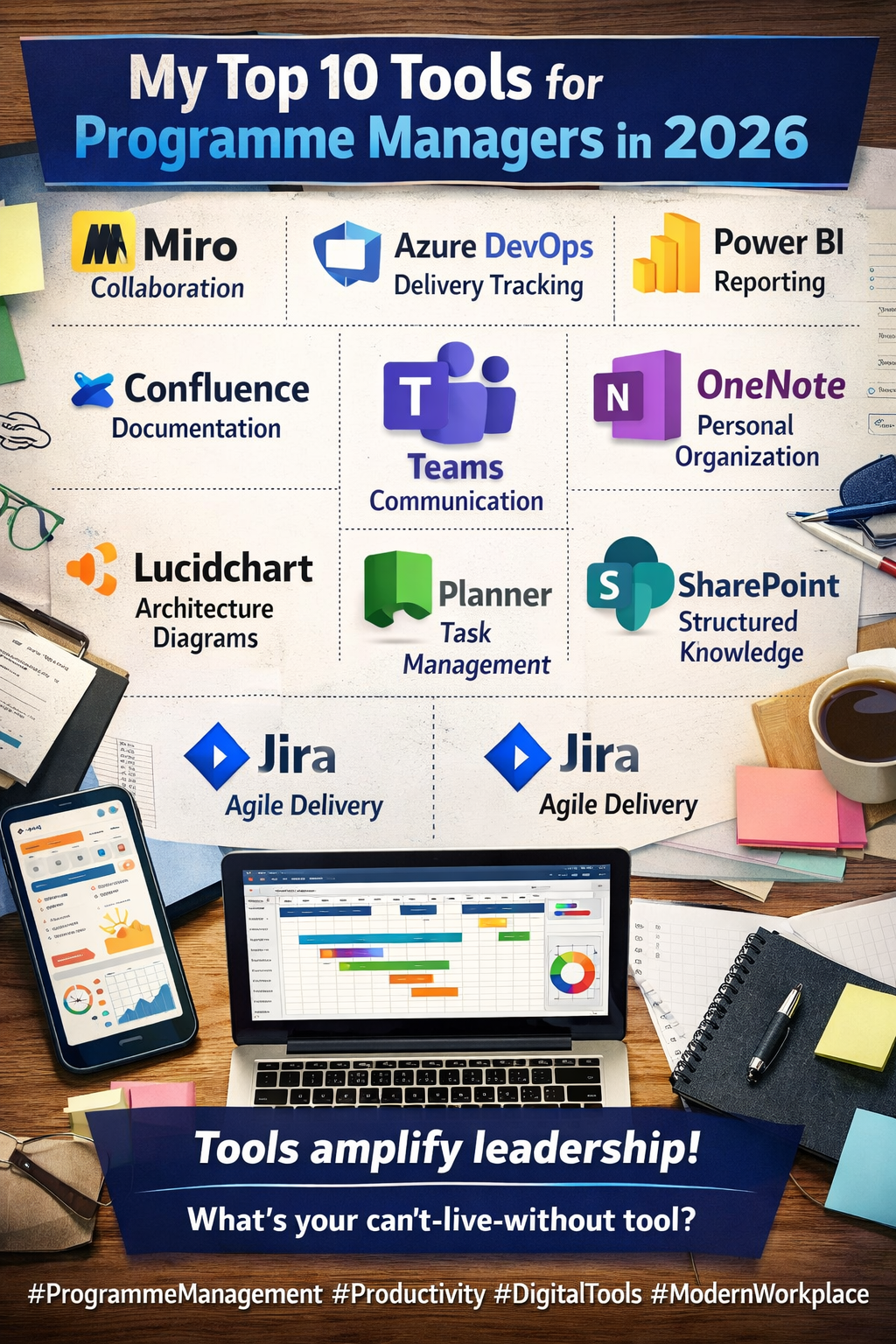
Many CIOs equate modernisation with rolling out new tools — Teams, SharePoint, or Windows upgrades.
But technology is only the visible layer. Without cultural adoption, process redesign, and behavioural change,
the workplace remains static.
Modernisation fails when it’s treated as a technical upgrade rather than a human‑centred transformation.
Success comes from executive sponsorship, adoption champions, operating model redesign, and continuous learning.
A people‑first modern workplace delivers higher productivity, faster decision‑making, stronger engagement,
and sustainable digital maturity.
Continuing professional development, project leadership,
outreach and contribution to the wider project profession.
APM / CPD
APM CPD & Competence Framework
Explore my complete Continuing Professional Development
log and APM Competence Framework assessment, including
all 29 competences, ratings and detailed evidence.
Explore how I designed and built a modern CPD application that connects competency
mapping, CPD logging, evidence capture and development planning into one mobile‑ready
platform. This insight covers the full product lifecycle — concept, UX design, Base44 build,
testing, launch and roadmap — and shows how the CPD App solves long‑standing gaps in
professional development tools.
Honoured to be invited by the Association for Project
Management to share insights on leadership, trust and collaboration.
Outreach & Development
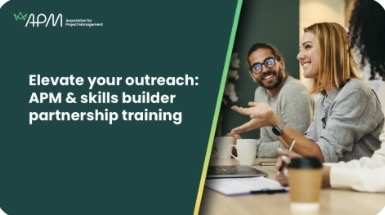
Elevate Your Outreach: APM & Skills Builder Partnership Training
Strengthening how we inspire the next generation of
project professionals through outreach and essential skills.
This training deepens understanding of essential
skills and their importance in the modern workforce,
helping translate that knowledge into meaningful
outreach for young people.
Understanding essential skills
Making the profession relatable
Supporting students during outreach
Bridging education and industry
Investing in outreach is not just about giving back —
it is about shaping the future of the profession.
APM Outreach
Introduction to APM Apprenticeships
Sharing how APM Apprenticeships can open doors for
students seeking real responsibility, experience and impact.
Resources & Media
By Tim Williams
Downloadable frameworks, playbooks, presentations and
visual models supporting transformation leadership.
PMO Framework
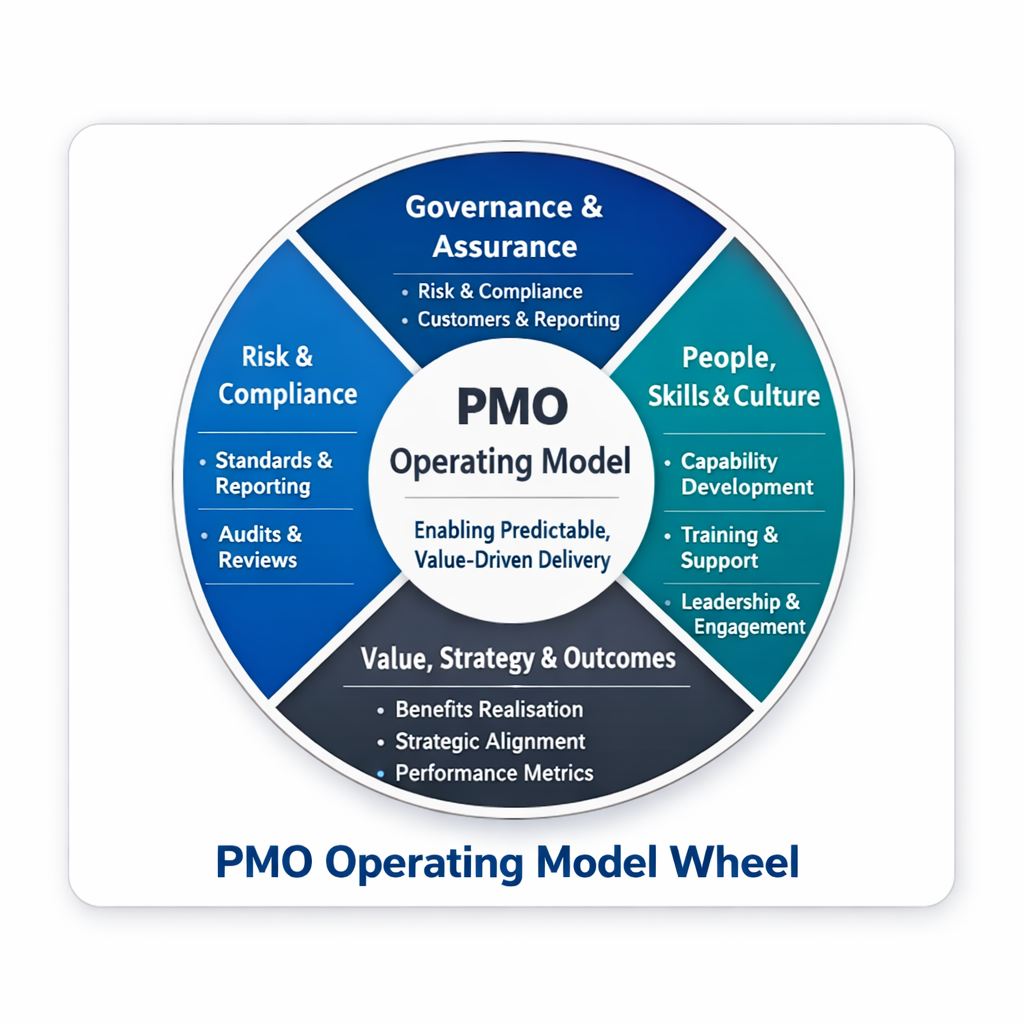
The PMO Operating Model Wheel
A complete framework bringing Governance, Planning,
People and Value together into one executive-ready model.
The model helps leaders communicate PMO purpose,
define scope, support maturity assessments and
anchor strategic conversations.
Governance & Assurance
Planning & Control
People, Skills & Culture
Value, Strategy & Outcomes
Video / Presentation
Guest Speaker Session: AI in Project Management
A research-backed walkthrough of how AI is reshaping
forecasting, risk, automation, resource optimisation
and the evolving project manager role.
I regularly share leadership perspectives on programme delivery, transformation,
cyber security, AI and modern workplace change — all written from real delivery experience.
If you'd like to explore any topic further or discuss a challenge you're facing,
feel free to reach out.